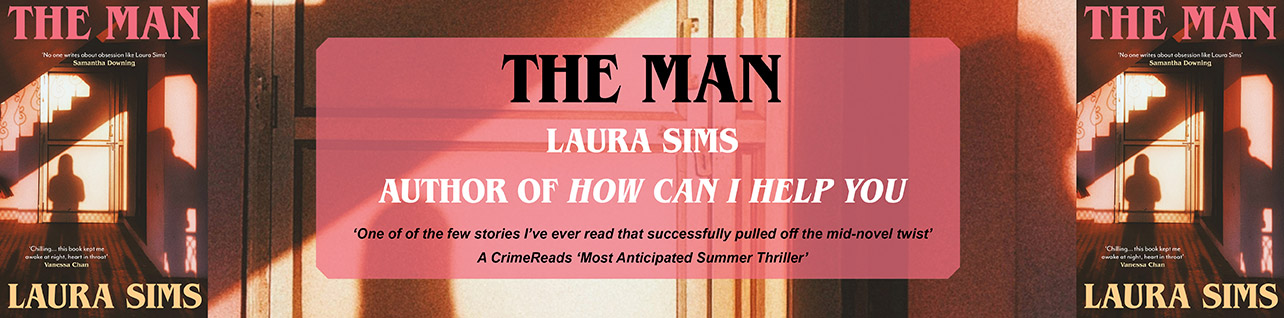
“The Less Dead” arrived on my desk almost fully formed.
I come from a big extended family, several of whom were adopted, and lots of them got in touch with their birth families over the last few years. It was amazing how randomly it went: some members of birth families were great and have basically moved here and joined our family. We’re lucky to have them. Some didn’t go as well. It was interesting. It was never what we expected. One close family member has an extraordinary musical talent and we always assumed that it was from their birth family. Turns out they’re virtually tone deaf. It struck me that those meetings were like the inciting incident at the start of crime novel: all the bits got thrown up in the air and it took a long time for them to settle.
Added to this was the issue of the murders of sex workers in Glasgow during the heroin epidemic of the late 1980s and 1990s. These cases are still on-going. The last person to be murdered was a lovely person who came from a nice family. They campaigned really hard for her case to be solved, for the public to come forward, for the police to keep searching. I started to think about the importance of family standing up for each other and how a lot of the women who died before the final case had no one to stand up for them. Sometimes they grew up in care, sometimes the families were so devastated by their deaths that they fell apart.
It also came out of a rolling discussion that a lot of my crime writer friends were having about the Staunch Book Prize: this is a prize awarded to thriller writers whose book did not feature any woman being ‘beaten, sexually exploited, raped or murdered’. The prize is looking to celebrate narratives that are not about violence against women. What an interesting question: why does so much crime fiction focus on these crimes and how can we, as women writers, be complicit in perpetuating this offence?
Well. Beyond being a bit hurt that many of us are committed to over turning those assumptions. It felt like the thirty-year long tradition of feminist crime fiction was being completely undermined and ignored. Sarah Paretsky, Val McDermid, me, Laura Lipmann, Megan Abbot, Alafair Burke and many, many others have addressed this question time and again in our work. It completely ignored us. I was doing interviews about it with fairly prominent arts journalists and they clearly hadn’t noticed but we were being reproached for those who weren’t addressing it. It was forehead-to-the-desk annoying.
This attention to crimes of violence against straight white middle class women is not the fault of crime fiction. It’s not the fault of the police. It’s a societal attitude: we value some people more than other people. We value a white, middle class, pregnant, able bodied GP more than a heroin-addicted street sex worker. We are the problem and until we understand that it will never change.
“The Less Dead” is an attempt to pick that attitude apart and look at the damage it does.